Local vs hosted AI app builders
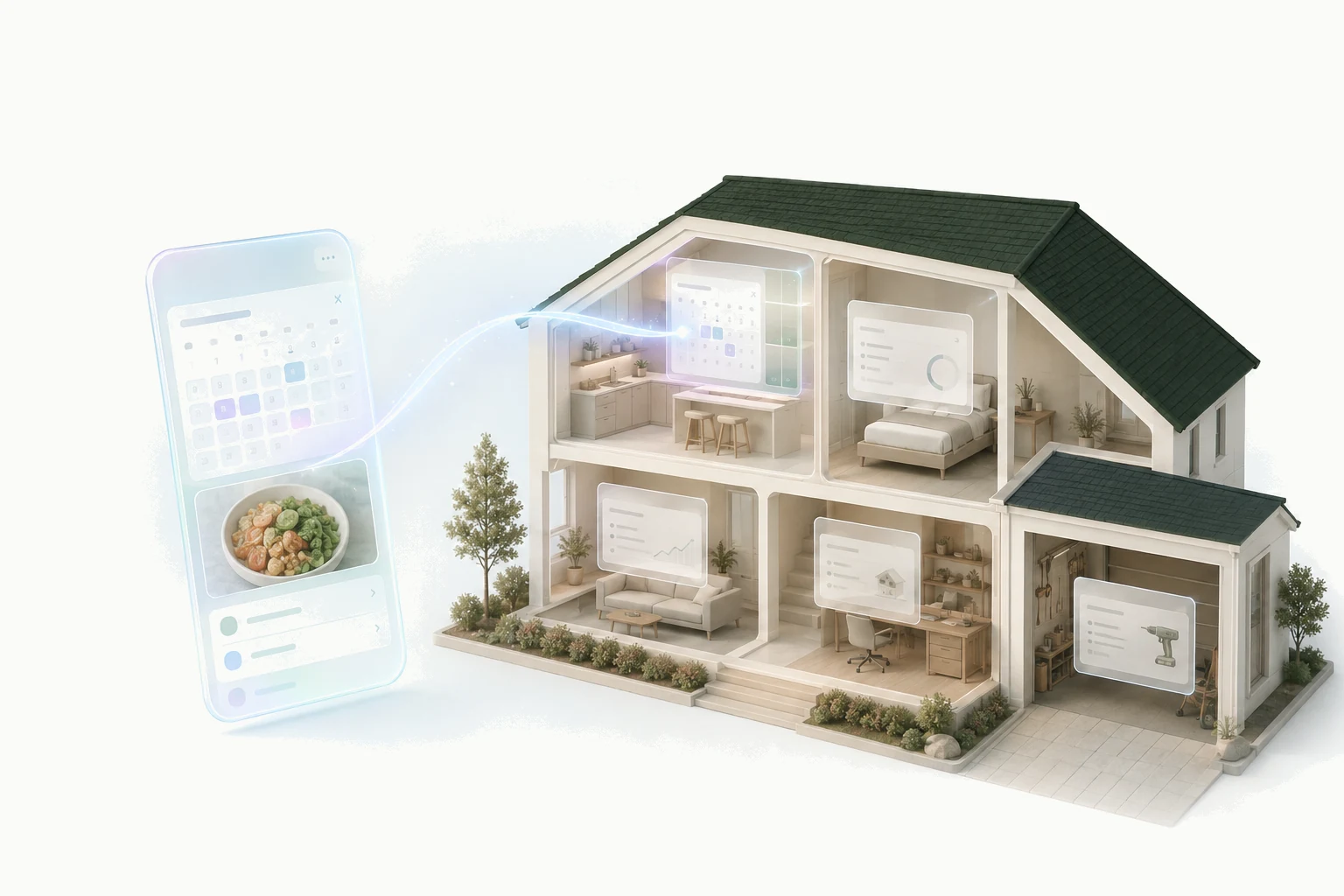
“Local” sounds reassuring when you're choosing an AI app builder. You have files on your computer and can see where the project lives. But it leaves a few practical questions unanswered: can you open the app from your phone, what keeps running when you close the laptop, and where does the AI conversation go?
The project on your laptop
Dyad is a local, open-source builder. For someone who wants direct access to a project's files, that is a useful starting point. You can work with the app as a project on your own machine rather than only through a hosted editor.
It helps to separate the building session from the finished app, though. A preview running on your laptop depends on that laptop. Dyad's publishing guide describes routes for putting the result online. Once published, a locally built app can be available while your computer is off.
Consider a home-maintenance tracker. Entering room measurements at your desk is only half the job; finding them at the hardware store is the other half. During a trial, follow the whole route from building to opening the app away from home. That's the version of “local” or “hosted” you'll be living with.
Opening it when you're somewhere else
A hosted builder can take care of publishing and running an app, although you still need to understand its access settings and charges. Lovable and Replit both support this kind of managed workflow; using a general builder doesn't mean you must administer a server.
Kaddy goes a little further in deciding the everyday arrangement. Your apps live inside the same browser-based home, and a new one joins the existing navigation. You can open the home-project tracker from your phone without running a development server on your own computer.
The cost of that convenience is a narrower app model. A custom backend framework or system package may be easy to imagine in an independent project but unavailable inside Kaddy. If you already know you need something specific, check it before spending time on the screens.
Where the conversation goes
The location of the builder doesn't settle the location of its model. A desktop application can send prompts to a remote provider, just as a web application can store records separately from the service that answers its AI requests.
Before using personal information, trace one example: you ask the assistant to summarize a note. Which service receives the note? Where is the original stored? Does a local-model setting cover that request, or only some parts of the tool? A “local” label on the download page cannot answer all of those questions.
In Kaddy, the selected model determines whether inference runs on Cloudflare or an external provider. App memory is separate for each app and editable, but those features don't make every conversation local. If all processing must stay on your hardware, verify that requirement across the whole workflow of any tool you consider.
The next change matters too
Imagine returning a month later to add a field for paint colors. With a local project, can you reopen the files and run the environment you need? With a hosted service, can you still edit under the plan you're using? In either case, do you know how to retrieve the measurements already saved?
Direct control of the files is valuable if you want to maintain and extend them. A managed personal-app home is valuable if you'd rather spend that time using the tracker. Both involve depending on software and services; the useful question is which responsibilities you are comfortable taking on.
For a closer look at two hosted project options, read the Lovable and Replit comparison.